
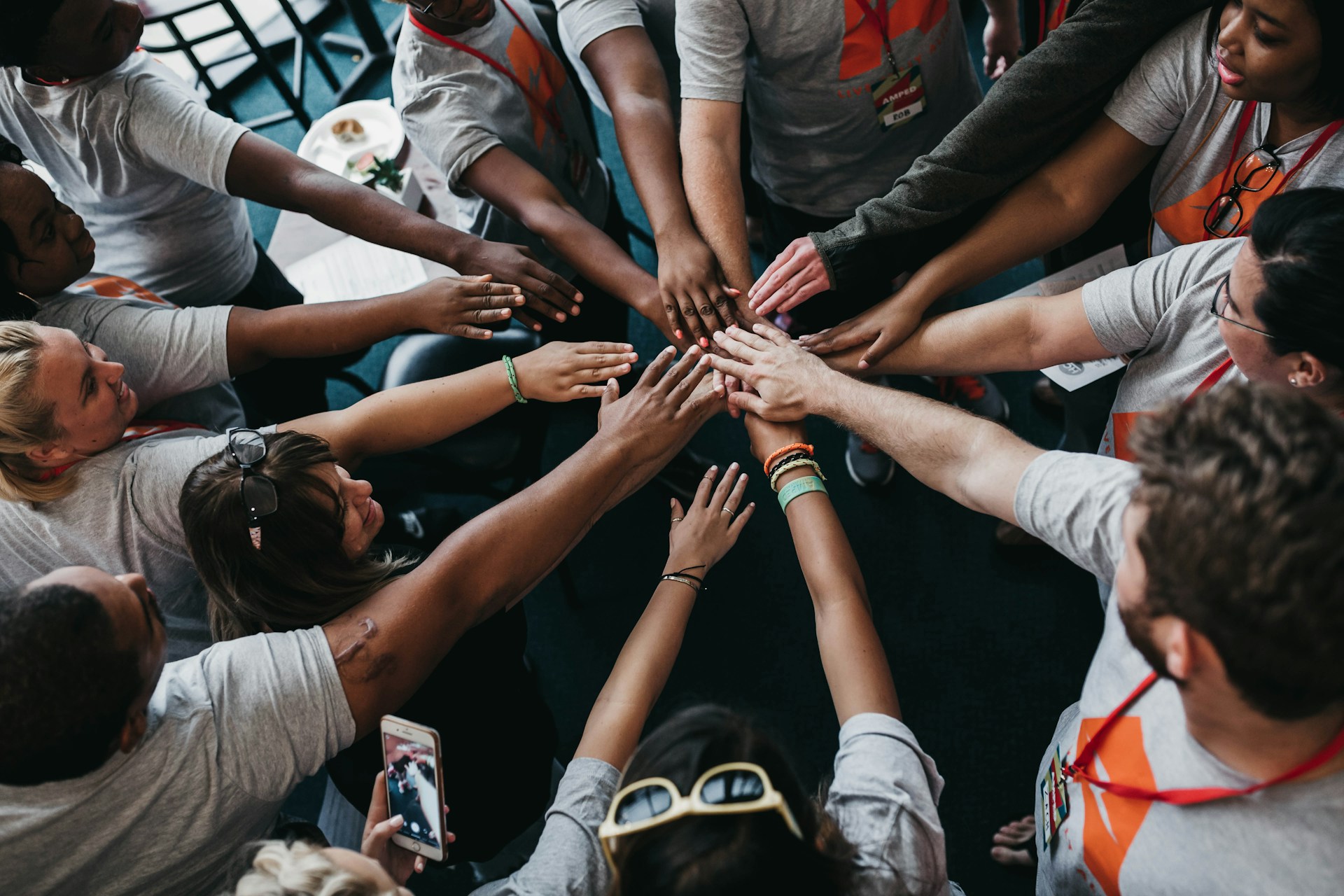
Ask long-serving volunteers why they've stayed and many won't mention the role first. They'll mention the people: the friend they made on their first shift, the team that notices when they're away, the staff member who asks how their studies are going.
In my experience, belonging is one of the biggest reasons volunteers stay.
In most organisations, that connection happens by chance. It depends on a welcoming team leader, a long-standing volunteer who takes newcomers under their wing or a site with a good culture. When that person leaves or the site changes, the connection goes with them. For an organisation, that's a program sustainability risk sitting inside something that looks like goodwill.
Connection can be designed.
Three kinds of connection behind volunteer retention
Learning alongside each other. New volunteers often feel anxious and on the outer during recruitment. Connecting them early with each other, with experienced volunteers and with staff changes that. So does learning together over time. Staff and volunteers can train together where it's relevant. For mentoring, match experienced volunteers with new ones to share knowledge and build relationships.
Train nominated volunteers to support a fellow volunteer after an incident or a personal difficulty. Mentoring and peer support also spread knowledge that would otherwise sit with a few people. After an incident, peer support is part of your duty of care. It shouldn't depend on who's on shift.
A shared sense of purpose. Shared purpose connects volunteers and staff. It grows when volunteers have a say in decisions that affect them and can see where their input went. Link each volunteer role to the organisation's vision and goals in training and role descriptions. Show the contribution volunteers make in annual reporting with numbers and stories.
A social community. Time to socialise lets volunteers share experiences and form friendships. Support experienced volunteers to organise catch-ups for their peers. Bring volunteers together to thank them and share contributions and success stories.
Use this table to see where connection in your program depends on one person. For each row, fill in who holds it now and what would happen if they left.
| Where connection matters | Who holds it now? | What happens if they leave? |
|---|---|---|
| Welcoming new volunteers | ||
| Peer support after an incident | ||
| Mentoring | ||
| Shared purpose | ||
| Social connection |
Who holds the community together?
Look at where connection is strong in your volunteer program and ask what's creating it. If the answer is one person, that's worth protecting and worth spreading. It's also a volunteer capability question: the program depends on what one person knows and does. Build the welcome, the mentoring and the shared purpose into how the program runs, so belonging doesn't leave when someone does.
Where do volunteers feel most connected in your organisation? What would happen if the person behind it left?
7 Comments